
Sustainability


Our Planet Matters
In the 1950s, the mass production of plastic emerged as consumers sought alternatives to traditional materials like ivory and wood. Plastics quickly gained popularity because they are lightweight, versatile, hygienic, resealable, unbreakable, cost-efficient, and easy to manufacture into a variety of forms. Recognizing these benefits, companies and consumers began using plastic to meet their daily needs.
In addition to plastic, we have adopted a variety of packaging materials — from aluminum cans to fiber-based cartons — to offer sustainable alternatives such as paper, glass, and metal.
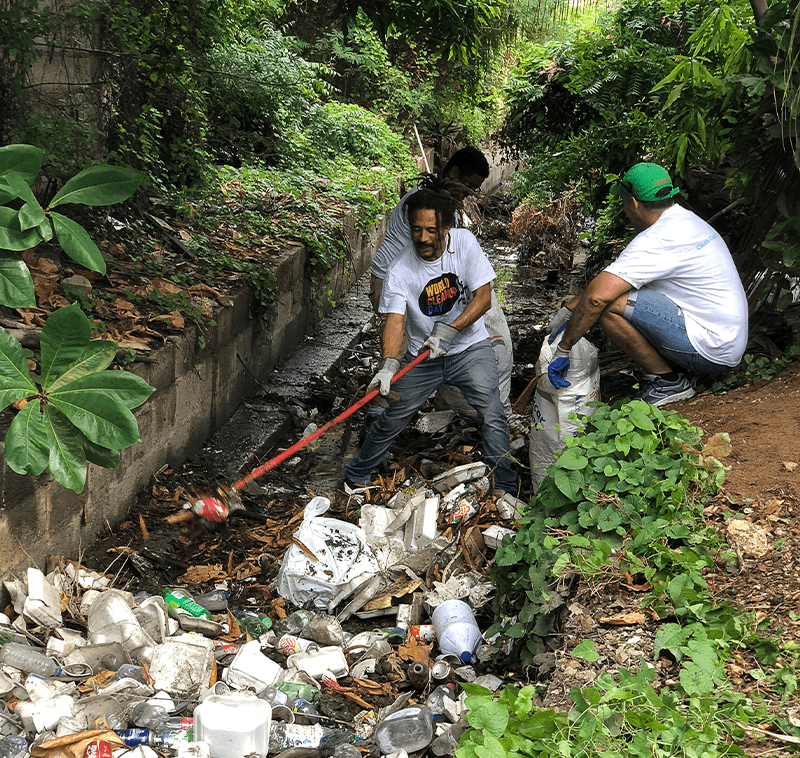
However, the current disposal of plastic waste is placing a significant burden on our environment. It is clear that we must transform our waste management practices, prioritize plastic recycling, and embrace sustainable alternatives to reduce global waste. While recycling is an important short-term solution, long-term sustainable development must be a critical priority.
Due to the urgency of this challenge, Coca-Cola is committed to leading the way by reducing the impact of our packaging on the planet and our communities through a circular economy approach.
More information about our international goals can be found here:
https://www.coca-cola.com/cb/en/sustainability#accordion-6c951a27f5-item-d0c8dda70c
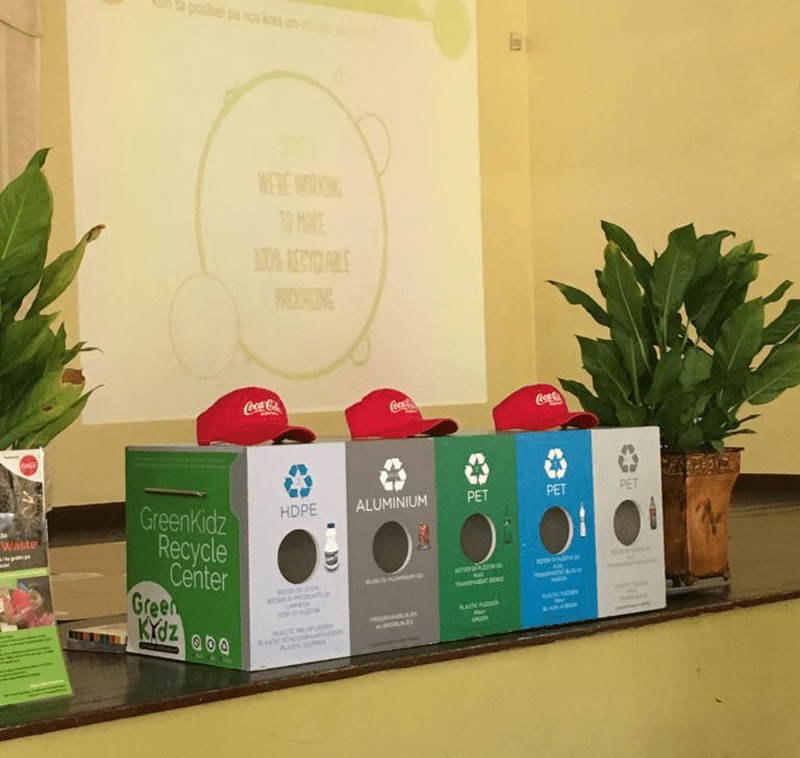
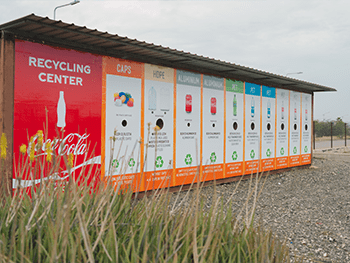
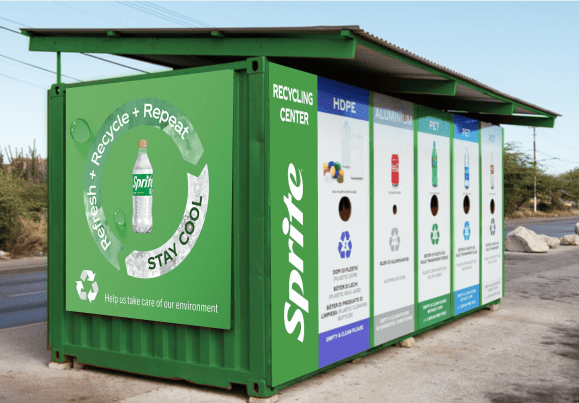
One of our key goals is to drastically increase the recycling rate on Curaçao and Bonaire, so that bottles and cans can be reused. Currently, all locally produced bottles contain 50% recycled content, and our cans sourced from Aruba are already made from 97% recycled aluminum. Our ambition is to reach a 100% recycling rate.
We recognize this won’t be easy, but we hope to inspire both consumers and fellow businesses to join us. Together, we are investing in three essential areas — education, facilitation, and innovation — to help build a more sustainable future for everyone.
We are eager to build a more sustainable future for all of us by investing in three key areas: